Two Days Off, Zero Regrets: The Art of the Weekend Reset

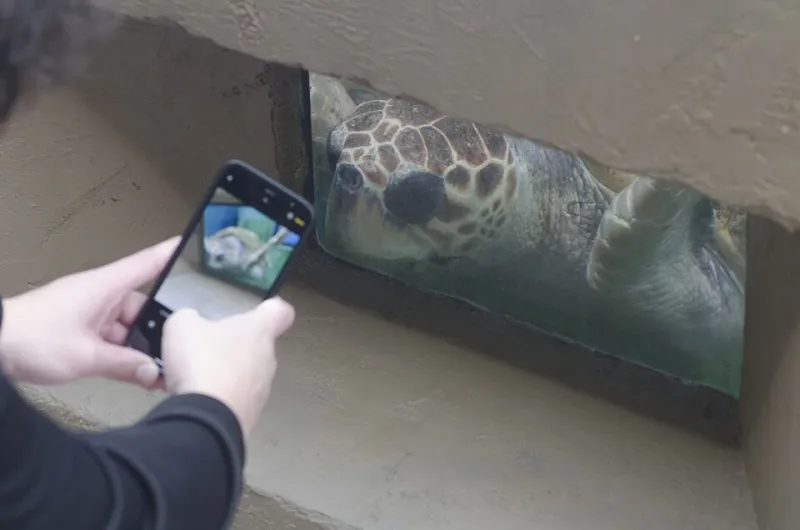
Photo: AHLN, CC BY 2.0, via Wikimedia Commons
Let's be honest about American vacation culture: most of us are hoarding PTO like squirrels hoarding acorns, and then blowing it all on one exhausting two-week trip that requires six months of planning. Meanwhile, the months in between? Nothing. Just work, errands, and telling yourself you'll travel 'someday.'
Here's a radical idea: the weekend trip is not a consolation prize. Done right, 48 hours can genuinely reset your brain. Done wrong, you'll come home Sunday night more drained than when you left. The difference is strategy — and we've got plenty of it.
First, Pick Your Flavor: Recharge or Adventure
Before you book a single thing, ask yourself one question: what do I actually need right now?
If your answer involves words like 'exhausted,' 'burnt out,' or 'I haven't slept in a month,' you need a recharge trip. Think: a cabin two hours away, a beach town in the off-season, a cozy hotel in a walkable downtown where the only agenda item is a long dinner and a soak in the tub.
If your answer sounds more like 'I'm bored' or 'I need something to look forward to,' you're craving an adventure trip. That's your whitewater rafting Saturday, your National Park speed-run, your concert weekend in a city three hours away.
The mistake people make is mixing the two. Nothing kills a relaxing weekend faster than cramming a sunrise hike, a museum, and a food hall crawl into one itinerary. Pick a lane. Your nervous system will thank you.
The Three-Hour Rule
Here's our golden rule for weekend trips: if it takes more than three hours to get there, your trip has already shrunk. A five-hour drive each way means you're burning ten hours — basically your entire Saturday — just in transit.
Use that three-hour radius and you unlock a surprising amount of territory. From most American metro areas, that's a coastline, a mountain range, a state you've never actually explored, or at least a city with a seriously good restaurant scene. And if nothing fits? A one-hour flight still beats a cross-country haul.
Plan Less Than You Think You Should
A full week of travel can absorb some planning. A weekend can't afford to waste a minute — but that doesn't mean scheduling every hour. The sweet spot looks like this:
- Book the essentials in advance. Your lodging, your dinner reservation for Saturday night, and one anchor activity. That's it.
- Pre-decide the basics. Know where you're eating breakfast and how you're getting around. Ten minutes of research Saturday morning saves an hour of hangry wandering.
- Leave white space. The best weekend trips have breathing room. That unplanned Sunday morning is where the magic — or at least the second cup of coffee on a quiet patio — happens.
One more pro move: pack Thursday night. Waking up Saturday, grabbing your bag, and walking out the door turns a stressful start into a smooth one.
Kill the Guilt, Keep the Joy
Somewhere along the way, Americans decided that short trips don't 'count.' That if you're only gone two days, why bother? We'd like to formally retire that mindset.
Research on anticipation suggests that a big chunk of the happiness boost from a trip comes before you leave — the planning, the looking forward. A weekend trip means you get that boost four or five times a year instead of once. That's not a lesser vacation. That's a better system.
And here's the kicker: short trips are easier on your budget, your pets, your inbox, and your relationships. You return Monday with stories instead of a 400-email backlog.
A Sample 48-Hour Blueprint
Want a template? Here's the skeleton of a weekend that works:
- Friday night: Leave right after work, or book an early Saturday start. Check in, eat somewhere local, and go to bed without setting an alarm.
- Saturday morning: Slow start. Good coffee, a neighborhood walk, something you can't do at home.
- Saturday afternoon: Your one anchor activity — a hike, a market, a boat, a museum, whatever matches your trip flavor.
- Saturday night: The meal you planned. Make it count.
- Sunday morning: One last easy outing, then head home early enough to do laundry and prep for the week. Walking into Monday with your life in order is the secret finishing move of a great weekend trip.
The Bottom Line
You don't need approval for two weeks off, a big budget, or a passport stamp to justify a getaway. You need a free weekend, a three-hour radius, and permission to keep it simple. Your next reset is closer than you think — probably about 150 miles away, actually.