The $30 Decision: A Realistic Guide to Travel Insurance for U.S. Travelers

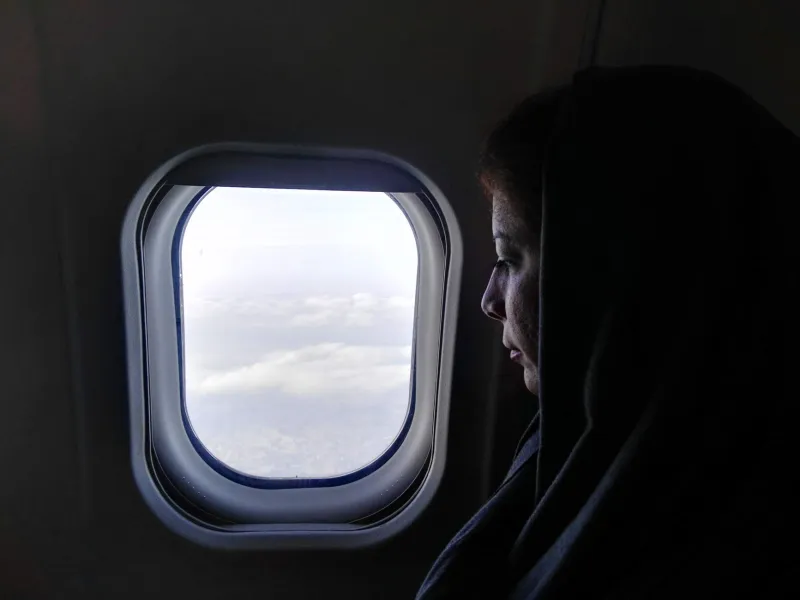
Photo: ajay_suresh, CC BY 4.0, via Wikimedia Commons
You are three clicks from the end of a checkout page when the little box appears: add travel protection for $29.95. You have a decision to make in about four seconds, using no information at all.
So let's fix that.
Travel insurance is not one product. It is a stack of different coverages sold under one premium, and whether it is worth buying depends entirely on which of those pieces you actually need. Here is the honest breakdown.
Quick math first
Comprehensive policies typically run somewhere between 4 and 8 percent of your total prepaid trip cost. A $3,000 domestic trip might cost $120 to $240 for a policy. A single-trip policy on an $800 flight is often under $50.
That $30 quote you see at checkout is usually a bare-bones flight-cancellation product. It covers very little beyond the airline's own rules, and it is the reason a lot of travelers believe insurance is a scam. Different product, different math.
What a comprehensive policy actually covers
- Trip cancellation — you cannot go, and you get back prepaid, non-refundable costs, but only for listed reasons: illness, injury, death of a family member, weather, jury duty, military deployment, sometimes layoff.
- Trip interruption — you are already there and have to come home early. Also covers the unused portion.
- Emergency medical — treatment during the trip. Important note: your US health plan, and especially Medicare, generally will not follow you abroad.
- Medical evacuation — the helicopter, the air ambulance, the flight home in a medical seat. This is the coverage with the highest potential dollar value and the one people underestimate most.
- Baggage and personal effects — delayed, lost, or stolen luggage, usually with per-item caps.
- Travel delay and missed connection — hotel and meals when you are stuck, typically beyond a 3- to 6-hour threshold.
The four gaps that surprise people
Cancel for Any Reason (CFAR)
This is not standard. It is a paid upgrade that adds roughly 40 to 50 percent to your premium, and it reimburses only 50 to 75 percent of your trip cost — as a voucher from some insurers. It also usually must be bought within a couple of weeks of your first trip deposit. It is genuinely useful if your reason for potentially canceling is one the standard policy will not touch: a work project, a maybe-pregnancy, a family situation you cannot define in a claim form. Otherwise, skip it.
Pre-existing conditions
Standard policies exclude them. Most insurers will waive that exclusion if you buy within a set window — often 14 to 21 days of your first trip payment — and insure the full prepaid cost. If anyone on the trip has an ongoing condition, that window is the single most important deadline in the whole purchase.
Medical evacuation limits
A $50,000 evacuation limit sounds huge until you price an air ambulance from a remote region. Look for $250,000, and check whether you have to call the insurer's assistance line first. Show up at a hospital on your own and some policies will reduce the payout.
Missed connections
Airline-caused delays are usually the airline's problem. Weather and air traffic control are often nobody's problem, which is where insurance helps. Read the required delay length — six hours is common — and whether the policy covers the cost of catching up to your trip.
Three real scenarios
You get the flu two days before departure. Comprehensive cancellation covers this, with documentation, and usually only if you were healthy when you bought the policy. This is the classic case and the reason most people buy.
Your checked bag does not make the connection and you have a wedding in 36 hours. Baggage delay coverage typically kicks in after 12 to 24 hours and pays a few hundred dollars for essentials. Your airline still owes you compensation under its own contract — file both claims. They do not cancel each other out.
A named storm shuts down your connection. Here is the trap: most policies exclude storms that were already named when you bought the policy. Buy early in hurricane season, not the week before.
When skipping is a reasonable call
It is a reasonable call more often than the industry would like to admit. Consider saying no if:
- The trip is cheap, mostly refundable, and close to home.
- You have not prepaid anything significant. Insurance protects money at risk, not the idea of a vacation.
- Your credit card already includes decent trip cancellation, delay, and baggage coverage. Check the guide to benefits — some premium travel cards do, with limits and conditions.
- You are traveling domestically and your health plan travels with you. Medical evacuation is the one piece you might still want; a standalone medical-only policy is much cheaper than the full package.
- You are flying a lot this year. An annual multi-trip policy often costs $200 to $400 and covers every departure, which beats buying single-trip policies repeatedly.
The five-minute pre-purchase checklist
- Insure the full prepaid, non-refundable cost — not a round number someone guessed.
- Buy within the pre-existing condition waiver window if it matters to you.
- Confirm whether medical coverage is primary or secondary. Primary pays first; secondary waits for your health plan to answer.
- Check the evacuation limit and the phone number you are supposed to call.
- Look up the insurer's rating and read claim reviews, not just the star average on the booking site.
- Screenshot the policy summary before you travel. You will not have Wi-Fi in the moment you need it.
The $30 decision is not really about $30. It is about knowing what you have prepaid, what your health plan will and will not do, and which single risk — medical, weather, or cancellation — would actually hurt. Answer that, and the checkout box stops being a coin flip.