What Nobody Puts in the Brochure: The Real Cost of Traveling Abroad
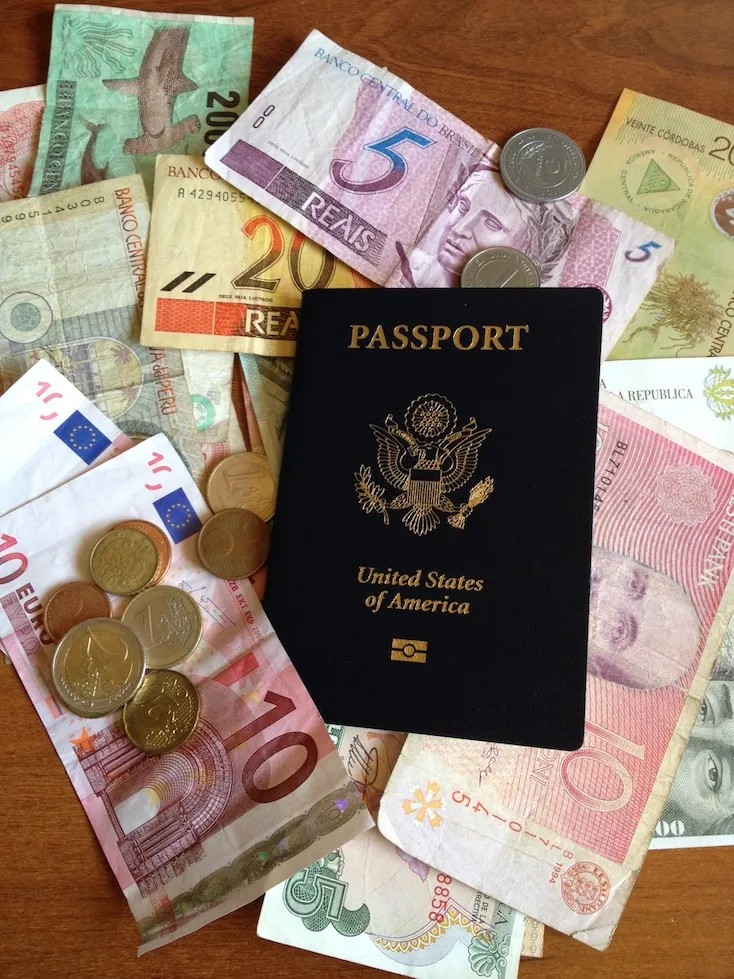
Photo: traveler checking wallet with foreign currency and receipts abroad, via thebudgetmindedtraveler.com
You did everything right. You scored a killer flight deal, found a solid hotel, and mapped out a rough daily budget. You felt ready. Then you got home, opened your bank statement, and felt something close to grief.
Sound familiar? You're not alone. The gap between what people expect to spend on international travel and what they actually spend is one of the most consistent surprises in tourism—and it's almost never the big stuff that gets you. It's the dozens of small, invisible costs that quietly drain your wallet while you're busy having fun.
Let's fix that. Here's a clear-eyed look at the expenses that routinely blindside even experienced travelers—and what you can actually do about them.
The Currency Conversion Trap
This one hurts the most because it's so easy to miss. When you swipe your regular debit or credit card abroad, your bank typically charges a foreign transaction fee—usually somewhere between 1% and 3% of every purchase. That sounds small until you realize it applies to every single transaction: your morning coffee, your museum ticket, your taxi, your dinner.
Then there's the exchange rate itself. Airport currency exchange kiosks are notorious for offering rates that are 10–15% worse than the mid-market rate. Dynamic Currency Conversion—where a foreign merchant offers to charge you in US dollars instead of local currency—sounds helpful but almost always works against you.
What to do: Get a travel credit card with no foreign transaction fees before you leave. Charles Schwab's debit card and the Wise card are both favorites for international use. Skip the airport kiosks. Use ATMs affiliated with local banks, and withdraw larger amounts less frequently to minimize per-transaction fees.
Visas and Entry Requirements Cost More Than You Think
Some countries are free to enter. Others charge visa fees that range from modest to genuinely startling. A tourist visa for India, for example, can run $80 or more for US citizens. Some African nations charge over $100. And that's before you factor in processing fees if you're using a visa service, passport photo requirements, or the cost of mailing documents.
If you're visiting multiple countries on one trip—a common move in Southeast Asia or Europe—those fees can stack up fast.
What to do: Research entry requirements for every country on your itinerary at least two months out. The US State Department's travel website is your starting point. Budget the visa fees as a fixed line item, not an afterthought. Some countries offer e-visas that are cheaper and faster than traditional applications, so check those options first.
Getting Around Once You're There
Your hotel is in the city center. The thing you actually want to see is 45 minutes away. This is the reality of international travel, and local transportation costs are almost always underestimated.
Uber and Lyft don't operate everywhere. Taxis in some cities are metered and reasonable; in others, they're a negotiation you'll lose. Train tickets between cities in Europe can be surprisingly expensive if you don't book early. Ferries, regional buses, tuk-tuks, gondolas—every destination has its own transportation ecosystem, and navigating it without a plan costs money.
What to do: Before you leave, research how locals actually get around in each city you're visiting. Look into multi-day transit passes, rail passes (Eurail is worth investigating for European trips), and whether airport transfers are better handled by train than taxi. Apps like Moovit and Rome2rio are great for mapping local transit options.
Travel Insurance: The Cost of Skipping It
Many travelers skip travel insurance to save money upfront—and some of them pay for that decision in a very big way. A medical evacuation from a remote location can run $50,000 or more. Trip cancellation due to illness or a family emergency can mean losing thousands in non-refundable bookings.
Travel insurance typically costs between 4% and 10% of your total trip cost. On a $5,000 trip, that's $200–$500. That's not nothing—but it's a fraction of what you'd owe if something goes wrong.
What to do: At minimum, look into a policy that covers medical emergencies and evacuation. If you've prepaid a lot of non-refundable costs, add trip cancellation coverage. Compare policies on sites like InsureMyTrip or Squaremouth. Some premium credit cards also include travel insurance as a benefit—check yours before buying a separate policy.
Destination-Specific Surprises
Every place has its own version of the unexpected charge. Some examples that regularly catch US travelers off guard:
- Tourist taxes: Many European cities—Venice, Amsterdam, Barcelona—charge a nightly tourist tax that isn't included in your hotel rate. It's usually collected at check-in and can add $5–$20 per person per night.
- Tipping norms: In countries where tipping isn't customary, you might feel social pressure to tip anyway and end up over-tipping. In countries where it is expected (and the US norm of 20% applies), forgetting can create awkward moments.
- Luggage fees: Low-cost international carriers like Ryanair and EasyJet charge for everything—carry-ons included. What looks like a $40 flight can become a $120 flight by the time you add a bag.
- Resort or amenity fees: These exist internationally too, not just in Las Vegas. Read your hotel booking confirmation carefully.
- Cash-only situations: Some markets, rural areas, and smaller restaurants abroad don't accept cards. Getting caught without local cash means ATM runs at inconvenient moments—and more fees.
What to do: Do a quick search for "[destination] tourist taxes" and "[destination] hidden costs" before your trip. It takes 20 minutes and can save you real money.
The Souvenir and Experience Creep
This one's less a hidden cost and more a psychological trap. You budgeted $50 a day for food and activities. But then there was the cooking class. And the boat tour. And the handmade ceramics shop. And the wine tasting.
None of these things are bad. They're actually the whole point of travel. But without a loose framework, experiential spending can easily double your daily budget.
What to do: Build a "fun money" buffer into your trip—typically 15–20% on top of your planned budget. Think of it as permission to say yes to things without guilt, while still keeping a ceiling on the total.
Budget Like a Traveler, Not a Tourist
The difference between a traveler who comes home financially stressed and one who doesn't usually isn't income—it's preparation. The costs above aren't secrets, exactly. They're just the details that get glossed over when you're in the exciting early stages of planning a trip.
At EasyPass Tours, we're big believers that knowing what's coming is half the battle. When you've accounted for the currency fees, the visa costs, the local transit, and the tourist taxes, you can stop worrying about the bill and start enjoying the trip. That's kind of the whole idea.
Your world, made easy—and that includes the financial part.