Off the Map and Loving It: Your Playbook for Finding Places Nobody Told You About
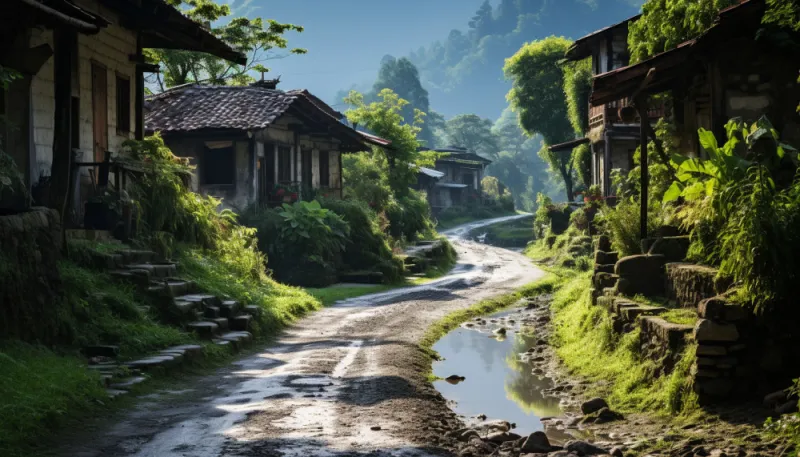
Let's be honest — there's a very specific kind of travel magic that happens when you stumble onto a place and think, how does nobody know about this? Maybe it's a tiny coastal town with better seafood than anything you've eaten in a "famous" food city. Maybe it's a hiking trail through canyon country that doesn't have a single tour bus in sight. Whatever it looks like for you, that feeling is worth chasing — and it's way more achievable than most people realize.
The trick isn't luck. It's knowing where to look.
Stop Starting with the Same Search Results
Here's the thing about Google: it's brilliant at surfacing what's already popular. Type in "best places to visit in the Pacific Northwest" and you'll get the same ten answers every travel blog has been recycling since 2015. That's not a criticism of those places — they're popular for a reason — but if your goal is discovery, you need different inputs.
Start by thinking laterally. Instead of searching for destinations directly, search for experiences. Try something like "where to see bioluminescent water in the US" or "small towns with great independent bookstores near national forests." You're not asking the internet what's popular. You're asking it what exists — and that's a fundamentally different question.
Once you have a short list of experience-based leads, then you can dig into the specifics of each location.
Local Forums Are Basically a Cheat Code
Reddit gets a bad rap sometimes, but travel subreddits like r/travel, r/solotravel, and especially hyper-local ones like r/appalachia or r/PNWhiking are absolute goldmines. The people posting in these spaces are not travel influencers. They're just people who actually went somewhere, and they're sharing what they genuinely found.
The key is how you ask. Don't post "what are some hidden gems near Asheville?" — that'll get you the same tourist board answers. Instead, try something like: "I've already done the Blue Ridge Parkway and downtown. What do locals actually do on weekends in this area?" That framing signals you're not looking for the highlights reel, and the responses will reflect that.
Facebook Groups are underrated for this too. Search for groups tied to specific regions, hobbies (cycling, birding, foraging), or travel styles. These communities tend to be older and more specific than Reddit, and the recommendations are often incredibly detailed.
Follow the Seasons Backward
One of the smartest strategies for finding less-crowded experiences is to look at when a destination peaks in popularity — and then consider visiting just outside that window. A beach town in late September often has warm water, lower prices, and a fraction of the summer crowd. A ski town in early November, before the snow really hits, can be a surprisingly charming place to explore.
But here's the deeper version of this idea: think about destinations that are adjacent to famous seasonal spots. When everyone floods into Napa Valley for harvest season in October, the wine country just a bit further north — places like the Anderson Valley in Mendocino County — is doing equally stunning things with far fewer visitors. Same principle applies across the country. When Yellowstone hits peak summer chaos, Bighorn Canyon National Recreation Area in Wyoming and Montana is practically empty.
The pattern holds almost everywhere: find what's famous, then look one step to the side.
Dig Into Niche Travel Publications
Mainstream travel magazines are great for dreaming, but they're optimized for broad appeal. Niche publications and newsletters are where the real specificity lives. Look for regional travel zines, state-specific tourism blogs run by actual locals (not sponsored content farms), and newsletters from independent travel writers who cover a single region obsessively.
A few types of sources worth bookmarking:
- State tourism boards often have "hidden gems" or "off the beaten path" sections that go well beyond the obvious highlights
- Local newspapers in smaller cities frequently run travel features about their own surrounding region — and those writers know the area cold
- Outdoor retailer blogs (REI, local outfitters) often publish incredibly specific guides to trails, waterways, and regions that don't show up in mainstream travel content
The goal is to build a reading diet that's diverse enough to surface places before they hit the mainstream algorithm.
Talk to People Who've Actually Been There
This sounds almost too simple, but it's genuinely one of the most effective tools in the hidden gem hunter's kit. If you know someone who grew up in a region you're curious about, ask them where they'd actually take a friend visiting from out of town — not the tourist version, but the real version.
The same logic applies when you're already traveling. Hotel concierges are fine, but the barista at the local coffee shop, the person running the kayak rental shack, or the older couple you meet at a trailhead? They'll give you recommendations that feel like gifts. People love sharing the places they care about with someone who's genuinely interested.
At EasyPass Tours, we've built our destination guides around exactly this kind of on-the-ground knowledge — because the places that stick with you aren't always the ones on the billboard.
Build Your Own Discovery System
Once you start finding gems, the next step is keeping track of them. A simple notes app or a saved map works fine, but consider organizing your finds by region and experience type. Over time, you'll start to notice patterns — the kinds of places that consistently deliver for you, the sources that reliably surface good leads, the seasons that match your travel style.
Hidden gem hunting isn't a one-time trick. It's a habit. And the more you practice it, the more every trip starts to feel less like following a script and more like genuine exploration.
The world is genuinely full of places that haven't been over-photographed, over-reviewed, or over-explained. You just have to know how to look for them — and now you do.