Stop Waiting in Line: The Insider Playbook for Getting the Most Out of America's Busiest Attractions
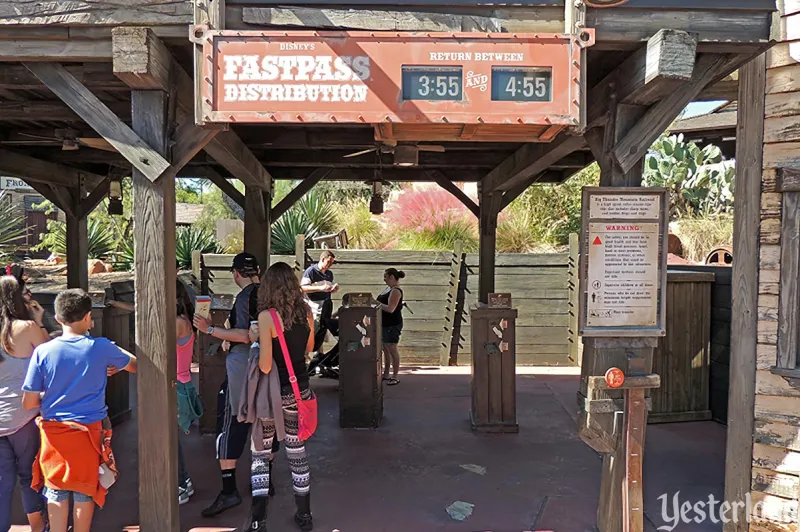
Photo: tourist family skipping line fast pass entrance theme park Disney World, via www.yesterland.com
Let's be honest — nobody daydreams about standing in a three-hour line when they picture their perfect vacation. Yet every summer, millions of Americans find themselves doing exactly that, shuffling forward inch by inch while the clock ticks and the kids melt down. The good news? With a little advance planning and the right pass strategy, you can sidestep the crowds almost entirely and actually enjoy the places you came to see.
This is the EasyPass approach to travel: work smarter, not harder. Here's everything you need to know about fast-track tickets, timed-entry systems, and pre-booking strategies at some of the country's most popular destinations.
Why Lines Have Gotten So Much Longer (And What Changed)
Post-pandemic travel surged in ways nobody fully anticipated. National parks saw record-breaking visitation numbers starting in 2021, and theme parks responded to pent-up demand by filling capacity to the brim. At the same time, many attractions quietly shifted from walk-up ticketing to reservation-based systems — partly for crowd control, partly to generate additional revenue streams through premium access tiers.
The result? If you show up at places like Arches National Park or the Statue of Liberty without a game plan, you might not get in at all — or you'll spend half your day waiting. Understanding how each system works is now just as important as booking your flights.
Disney World: Genie+, Lightning Lane, and the Art of the Early Rise
Walt Disney World in Orlando has arguably the most complex fast-pass ecosystem in the country, and it's evolved significantly over the past few years. The old FastPass+ system is long gone. In its place, Disney now offers Genie+ (a paid add-on, currently around $15–$35 per person per day depending on the date) and Individual Lightning Lane selections for the most popular rides.
Here's the honest breakdown:
- Genie+ lets you book one Lightning Lane return time at a time, starting at 7 a.m. on the day of your visit. It's worth it for moderate-crowd days when you can stack multiple reservations throughout the day.
- Individual Lightning Lane covers headliners like Tron Lightcycle Run and Guardians of the Galaxy — Mission: BREAKOUT! at Hollywood Studios. These cost extra on top of Genie+ and sell out fast, sometimes within minutes of 7 a.m.
- Rope drop (arriving 30–45 minutes before park opening) remains one of the most effective free strategies. The first 90 minutes of the day see dramatically shorter waits.
Pro tip: Download the My Disney Experience app before your trip and set an alarm for 6:55 a.m. on park days. Hesitate, and the best Lightning Lane windows are gone.
National Parks: The Timed-Entry Permit System Explained
Over a dozen national parks now require timed-entry reservations during peak season, typically May through September. Recreation.gov is your one-stop shop for securing these permits, and the competition can be fierce.
Key parks currently using timed-entry or vehicle reservation systems include:
- Arches National Park (Utah): Timed-entry required April–October, 7 a.m.–4 p.m. Reservations open 90 days in advance and sell out within hours.
- Rocky Mountain National Park (Colorado): The Bear Lake Road Corridor requires reservations during summer mornings.
- Glacier National Park (Montana): The iconic Going-to-the-Sun Road requires vehicle reservations to enter the park corridor.
- Grand Canyon South Rim: While walk-up entry is still possible, the Bright Angel Trail corridor and inner canyon overnight permits require advance planning through a lottery system.
The America the Beautiful Annual Pass ($80/year) covers entrance fees at over 2,000 federal recreation sites — an absolute no-brainer if you're visiting more than two or three parks in a year. It does not, however, cover timed-entry reservation fees, which are typically $2 per vehicle.
Pro tip: Set a calendar reminder for exactly 90 days before your intended visit date and log onto Recreation.gov right at midnight Eastern Time. Popular spots like Arches fill up in under 10 minutes.
New York City: CityPASS vs. New York Pass vs. Explorer Pass
New York is a city where the line outside the Empire State Building can genuinely ruin your afternoon. Three major multi-attraction passes compete for your wallet here, and they're not all created equal.
- CityPASS (~$142 for adults): Covers six top attractions including the Empire State Building, the Metropolitan Museum of Art, and the 9/11 Memorial Museum. Best for first-timers who want a curated experience without overthinking it.
- New York Pass (from ~$134/day): Access to 100+ attractions. Worth it only if you're a power sightseer planning to hit four or more paid attractions per day.
- Go City Explorer Pass (from ~$119): A flexible pick-your-own model where you choose 2–7 attractions from a list. Great for travelers with a specific wishlist.
For the Statue of Liberty specifically, always book the Crown Reserve ticket separately and well in advance — those slots open up to a year ahead and disappear fast. The standard ferry ticket gets you to the island but not inside the crown.
Washington D.C.: The Free (But Still Complicated) City
Here's a pleasant surprise: most of D.C.'s major attractions — the Smithsonian museums, the National Mall monuments, the National Zoo — are completely free to enter. But free doesn't mean effortless.
The National Museum of African American History and Culture requires timed-entry passes (free, released on a rolling 30-day basis). The Washington Monument requires a timed-entry ticket that's technically free but goes fast on Recreation.gov. For the Bureau of Engraving and Printing and Capitol Building tours, reservations through your Congressional representative's office are the smoothest route.
Pro tip: Check the Smithsonian's website the evening before your visit — same-day passes occasionally become available due to cancellations.
The Universal Rule: Book Earlier Than You Think You Need To
Across every destination on this list, one truth holds steady — the travelers who get the best experience are the ones who planned ahead. Peak season (June through August, plus holiday weekends) compresses millions of people into the same windows. Booking two to three months out isn't overkill; it's just smart.
At EasyPass Tours, every itinerary we build accounts for timed-entry windows, pass systems, and crowd calendars from the start. Because the whole point of a vacation is to enjoy yourself — not to spend it staring at the back of a stranger's hat.
Your time is valuable. Spend it on the view, not the queue.