No Barriers, No Excuses: Your Real-World Guide to Traveling With a Disability or Chronic Condition
Let's get one thing straight right away: this article is not about inspiring you to "overcome" anything. You don't need to be inspiring. You just want to travel—and that's reason enough.
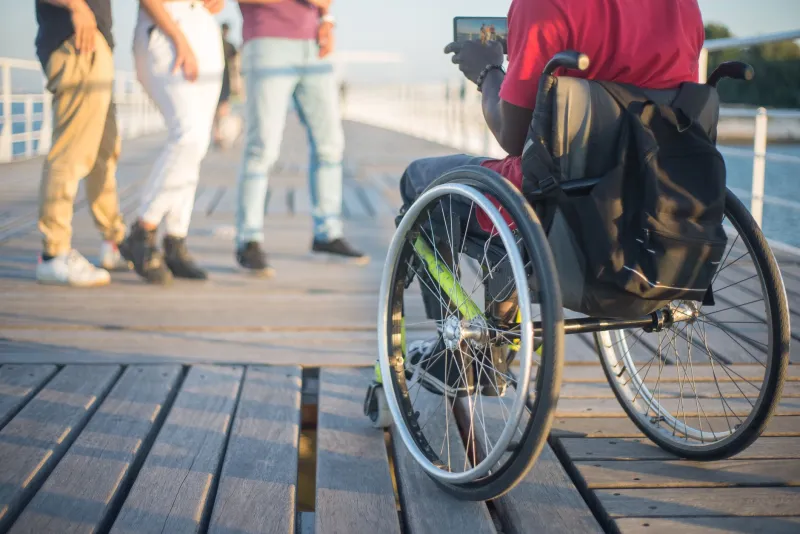
Whether you use a wheelchair, manage a chronic illness, have a visual or hearing impairment, or deal with anxiety or cognitive differences, the travel industry has more tools, options, and resources available to you than ever before. The world isn't perfectly accessible—we won't pretend otherwise—but it is far more navigable than the brochures typically suggest. And with the right preparation, the gap between where you are and where you want to go gets a lot smaller.
Here's a practical, honest guide to making it work.
Start With a Realistic Self-Assessment (Not a Limiting One)
Before you research destinations, spend some time getting clear on your specific needs. This isn't about what you can't do—it's about understanding what you need in place so you can do what you want to do.
Ask yourself:
- What physical environments are challenging or impossible for me?
- What medical equipment or supplies do I travel with?
- How long can I comfortably be active before needing rest?
- What would a bad day look like, and what would I need access to?
- Do I travel best independently, with a companion, or with guided support?
Being specific here is your superpower. The more clearly you can articulate your needs, the better you can communicate them—to airlines, hotels, tour operators, and anyone else who's part of your trip.
Research Destinations With Accessibility as a Filter, Not an Afterthought
Not all destinations are equally accessible, and that's just a fact worth knowing up front. But accessibility is also more nuanced than a simple yes or no.
Some cities are architecturally challenging—cobblestone streets, steep hills, historic buildings without elevators—but have excellent medical infrastructure and a culture of helpfulness. Others are physically easier to navigate but lack the support systems you might need.
Some strong accessibility choices for US travelers:
Domestically, Washington D.C. is consistently ranked among the most accessible cities in the country. The Metro system, Smithsonian museums, and most major monuments are ADA-compliant and well-maintained. San Diego, San Antonio, and Portland, Oregon also score high for accessibility and livability.
Internationally, countries like the Netherlands, Australia, and the UK have strong accessibility legislation and infrastructure. Barcelona has invested significantly in accessible tourism in recent years. Japan, despite its older architecture, has exceptional accessibility in transit systems and a deeply respectful culture toward travelers with disabilities.
Resources like Curb Free with Cory Lee, Wheel the World, and the Disabled Travelers network offer firsthand destination reviews from people with real experience—not just official ratings.
Book Smarter: What to Ask Before You Confirm Anything
Generic accessibility claims on hotel and airline websites often mean very little. "Accessible room available" can mean anything from a full roll-in shower to a slightly wider doorway. You need specifics.
When booking accommodation, ask:
- What is the exact door width of the accessible room?
- Is there a roll-in shower or only a tub with grab bars?
- Are there steps at the entrance, and if so, is there a ramp?
- What floor is the accessible room on, and is there elevator access?
- Is the pool, restaurant, and fitness center accessible?
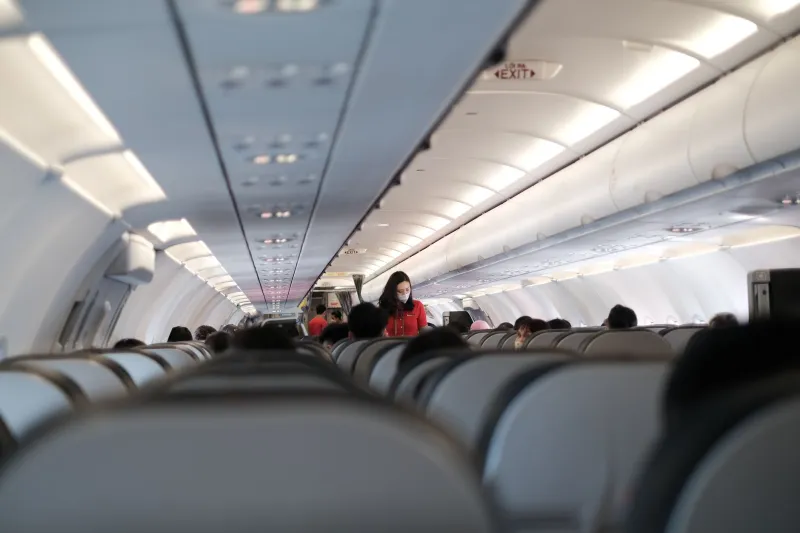
For airlines, request any special assistance at the time of booking—not at check-in. This includes wheelchair assistance, pre-boarding, seating with extra legroom, or help with stowing medical equipment. The Air Carrier Access Act (ACAA) protects US travelers with disabilities on all flights to, from, and within the United States, and you have rights worth knowing about.
For tours and guided experiences, look for operators who specifically list adaptive options or have experience with your type of need. At EasyPass Tours, we work with travelers to understand accessibility requirements before booking so that the experience is built around you—not retrofitted at the last minute.
Manage Medications and Medical Needs Like a Pro
If you travel with medications, medical devices, or supplies, planning ahead is non-negotiable.
Bring more than you think you need—double if possible. Pack medications in your carry-on, never checked luggage. Get a letter from your doctor outlining your conditions, medications (with generic names), and any devices you carry. This is essential for international travel and can prevent serious delays at customs.
For insulin, oxygen, CPAP machines, or other powered devices, confirm with your airline what's permitted on board and what documentation is required. TSA has a dedicated helpline (TSA Cares) you can call 72 hours before your flight for guidance on getting through security with medical equipment.
If you're traveling internationally, research the local healthcare system at your destination and identify the nearest hospital or clinic to where you'll be staying. Travel insurance that includes medical evacuation coverage is not optional—it's essential.
Travel Companions and Guided Support
Traveling with a disability doesn't mean you need a companion—but if you want one, or need one, there are more options than most people realize.
Some travelers connect with volunteer travel companions through organizations like Flying Wheels Travel. Others hire certified travel aides or nurses for international trips. And for many, a well-planned guided tour provides the built-in support structure that makes independent travel feel overwhelming.
Guided tours can actually be an excellent option for travelers with disabilities—not because you need hand-holding, but because the logistics, transportation, and activity planning are already handled. That energy you would've spent navigating goes toward actually experiencing the destination.
Don't Let the Hard Parts Be the Whole Story
Here's the truth: accessible travel is getting better, but it's still imperfect. You will encounter barriers. Some days will require more problem-solving than you expected. There will be moments of frustration.
But there will also be the moment you watch the sun come up over the Grand Canyon from an accessible overlook. The gondola ride in Venice that your operator arranged with a custom boarding ramp. The cooking class in New Orleans where the chef pulled a table to the perfect height without being asked.
Those moments are available to you. The world—more of it than you might think—is ready for you.
Start planning. Ask the questions. Advocate for what you need. And when you're ready to take that trip, EasyPass Tours is here to help make it as smooth as possible from the first click to the last boarding pass.