The Quiet Season: Why Empty Beaches and Half-Price Rooms Aren't a Compromise
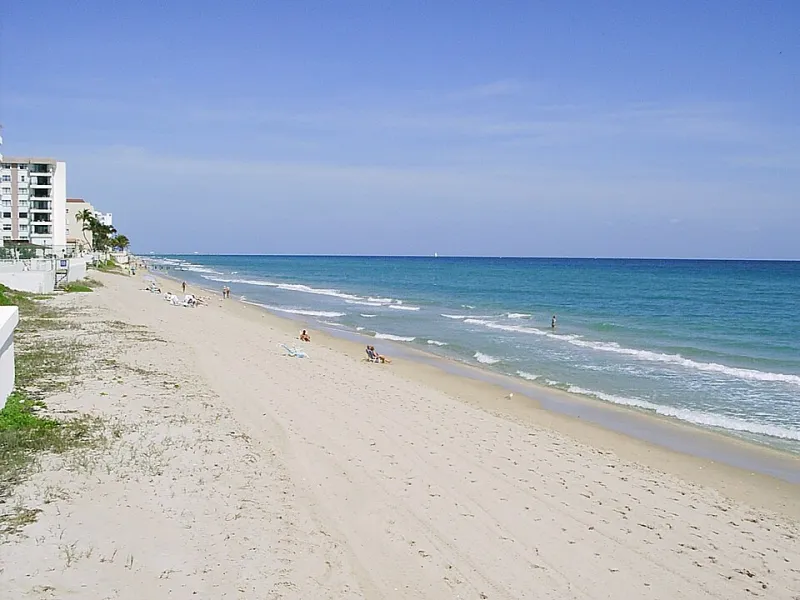
Photo: CZmarlin — Christopher Ziemnowicz, releases all rights but a photo credit would be appreciated if this image is used anywhere other than Wikipedia. Please leave a note at Wikipedia here. Thank you!, Public domain, via Wikimedia Commons
Every destination has a version of itself that nobody photographs. The lake town in February, when the docks are stacked and the ice cream stands are boarded. The desert park in July, when the parking lot is a furnace and the rangers are the only ones around. The European coast in November, when the beach bars come down and the town goes back to being a town.
That version is usually cheaper. It's often better. It's occasionally a disaster. The trick is knowing which one you're booking.
There Are Three Seasons, Not Two
The travel industry loves a binary — peak and off. Reality is a curve.
Peak is when the destination is at capacity: school breaks, holidays, festival weeks, the two months everyone pictures when they hear the place's name. You pay the most and share it with the most people.
Shoulder is the sweet spot most people never think to name. The weather is usually still decent, prices have slid 20 to 40 percent, and the crowds have thinned by half. In the Northern Hemisphere, that's roughly late April to early June and September to late October. It's also when a lot of attractions still run full schedules.
Deep off-season is the gamble. Rock-bottom rates, near-total quiet, and a real chance that the thing you came to see is closed, the road is snowed in, or the restaurant you researched shut for the month.
Most travelers should be aiming at shoulder and treating true off-season as a specialty purchase.
Where Off-Season Is a Feature, Not a Compromise
The destinations worth hunting for are the ones where the quiet season is when the place becomes itself again. Some reliable categories:
Desert and canyon country in winter. The American Southwest in January is cold at night and near-perfect by day. Trailhead parking that's a war zone in April is empty. Just check road closures and carry more layers than you think you need.
Ski towns in summer. Mountain towns built for February are wide open, cheap, and gorgeous in July — hiking, lakes, patios, no lift lines. Local businesses are often delighted to see you.
Big cities in the dead of winter. Museums, food, theater, and hotels at 60 percent of autumn rates. Cold is manageable; cold is a coat.
National parks in the shoulder. Late September and early October deliver the color and the cool without the summer crush, and the reservation systems loosen up.
Coastal Europe in late fall. Prices collapse after October, the light is dramatic, and the crowds are gone. Some coastal hotels do close — but the cities stay open and genuinely pleasant.
Festival towns in the wrong week. Anywhere famous for one event is a completely different and much cheaper place the other fifty weeks a year.
The Four Questions to Ask Before You Book
1. What actually closes? Not what has shorter hours — what shuts entirely. Restaurants, ferries, cable cars, museums, whole resort areas. Read recent reviews, not the tourism board's optimism. Search for the destination name plus the month and look for traveler complaints, which are more honest than any official calendar.
2. What's the weather distribution, not the average? An average of 58 degrees could mean mild days or a week of sideways rain. Look at rainfall days and wind, not just temperature. For mountain destinations, look at the road pass closures.
3. How short are the days? In high latitudes, off-season and dark season are the same thing. Four hours of daylight can be atmospheric or deeply depressing, depending on your expectations and your tolerance for cozy.
4. What's my fallback if the main thing is unavailable? If your trip collapses when one hike or one boat trip is cancelled, you're booking the wrong season. Build in a second and third option that don't depend on the weather.
The Costs You Don't See in the Room Rate
Cheap accommodations are only part of the math. Off-season also means fewer flights, and thin schedules mean fewer rebooking options when something goes wrong. Some transfer services stop running. Rental car availability tightens in seasonal markets because the fleet has literally left. Staff are often new, since the experienced crew comes back for peak.
So read the fine print: refundable rates, generous cancellation windows, and travel insurance that covers weather. In off-season, flexibility is worth more than the discount.
The Honest Downside
Sometimes the bargain isn't worth it. If you've flown across an ocean to see a specific museum and it's closed, no discount fixes that. If your whole reason for going is a beach, don't book the month with the storms.
Off-season works when what you want is atmosphere, space, and a good table without a reservation — and it fails when what you want is a specific list of things that only operate in July. Be honest about which traveler you are on this trip.
How to Actually Book It
Go shoulder before you go deep. Pick a destination where the off-season activity still exists — hiking, museums, food, hot springs — rather than one where the entire appeal is seasonal. Book refundable. Keep the first and last day of the trip loose. And go in expecting the town to be quieter, slower, and a little more itself.
That's not a compromise. For a lot of trips, that's the whole point.