How to Keep the World Alive in You After You've Come Home
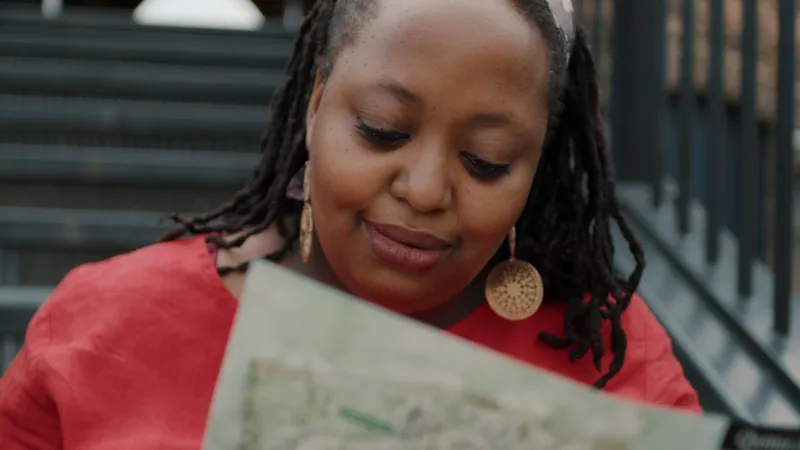
There's a version of yourself that exists while you're traveling. That person wanders without a plan, talks to strangers, tries food they can't pronounce, and says yes to things they'd normally overthink. They're curious. Flexible. A little braver than usual.
And then you come home. The laundry pile is waiting. The inbox is full. The world shrinks back down to the size of your commute and your grocery store and your regular table at your regular restaurant. That version of yourself—the traveler version—quietly fades.
It doesn't have to be that way. The shift travel makes in how you see the world doesn't have to be a temporary side effect of being somewhere else. Here's how to carry it with you.
Understand What's Actually Happening
What a lot of people call post-trip blues is actually a mild form of reverse culture shock—and it's more common than most people admit. You've spent days or weeks adapting to a different pace, different social norms, different values about time and community and what matters. Coming back to your regular life doesn't feel like relief. It feels weirdly disorienting.
The good news: that discomfort is a sign that travel actually changed something in you. The goal isn't to get back to who you were before. It's to figure out how to integrate what you've learned into who you are now.
Find Your People (They're Out There)
One of the loneliest feelings after a big trip is not being able to talk about it with anyone who gets it. Your coworkers are polite, your family is supportive, but nobody quite understands why you're still thinking about a conversation you had with a stranger in a hostel in Porto.
Seek out community with other travelers. Travel clubs, local hiking groups, language exchange meetups, and travel-focused subreddits and Facebook groups can all connect you with people who understand the itch. Many cities have international friendship groups or expat communities that welcome people who are simply curious about the world.
If you went on a guided tour—through EasyPass Tours or anyone else—reach out to the people you met on it. Group travel builds real bonds, and those relationships don't have to end when the itinerary does.
Bring the World Into Your Everyday Routine
This is easier than it sounds, and it doesn't require a plane ticket.
Cook the food. Seriously—learning to make a dish from a place you visited is one of the most tangible ways to stay connected to it. It engages your memory, your senses, and your creativity all at once. Find a recipe for that tagine you had in Marrakech or the pasta sauce you watched a grandmother make in Bologna.
Learn the language, even a little. Apps like Duolingo make it easy to keep practicing even after you're back. You don't need to become fluent—just staying in contact with a language keeps you emotionally connected to a place.
Read fiction set in the countries you've visited or want to visit next. It's remarkable how differently a novel lands when you can picture the streets it describes.
Watch films from those countries—not just films about them, but films made by directors from there. It shifts your perspective in ways that are hard to explain but easy to feel.
Let the Trip Actually Change Your Habits
Travel has a way of showing us the gap between how we live and how we could live. Maybe you noticed that people in the Mediterranean actually take lunch breaks. Maybe you saw how differently a culture treats public space, or aging, or community.
Instead of filing those observations away as interesting, let them challenge your defaults at home.
Did you walk everywhere abroad and feel better for it? Start walking more at home. Did you enjoy the slower pace of evenings in a place without much nightlife? Protect that in your own schedule. Did you feel more alive talking to strangers? Practice it at your local farmers market or coffee shop.
Travel is essentially a long experiment in living differently. When you come home, you get to keep the results that worked.
Start Planning the Next One
This isn't avoidance—it's actually a healthy psychological tool. Having something on the horizon gives you a sense of forward motion and keeps your curiosity engaged. You don't have to have a fully booked trip. Even browsing destinations, reading destination guides, or making a loose savings goal can maintain that sense of anticipation.
At EasyPass Tours, we've seen it time and again: the travelers who stay most engaged with life back home are usually the ones who are always, in some small way, planning ahead. Not because they're running from their lives, but because they've learned that the world is genuinely big and interesting and they want more of it.
Stay Curious About the Place You Already Live
Here's a counterintuitive one. Some of the best post-trip medicine is becoming a tourist in your own city or region.
When you travel, you pay attention. You read the plaques on buildings. You try restaurants you've never heard of. You ask locals for recommendations. You can do all of that at home—most of us just don't, because familiarity breeds a kind of selective blindness.
Book a night in a hotel in your own city. Visit the museum you've driven past for ten years. Take a day trip to a town an hour away that you've never explored. Look at your home region the way someone visiting from another country would look at it.
You might be surprised what you've been missing.
The Mindset Is the Destination
The real gift of travel isn't the photos or the stamps in your passport. It's the way it rewires how you pay attention. It makes you more present, more adaptable, more genuinely interested in other people.
That rewiring doesn't have an expiration date. It just needs to be maintained. And that's a practice you can do from anywhere—even from your living room couch, while you're planning your next easy pass into the world.